Follow Me On Social Media!
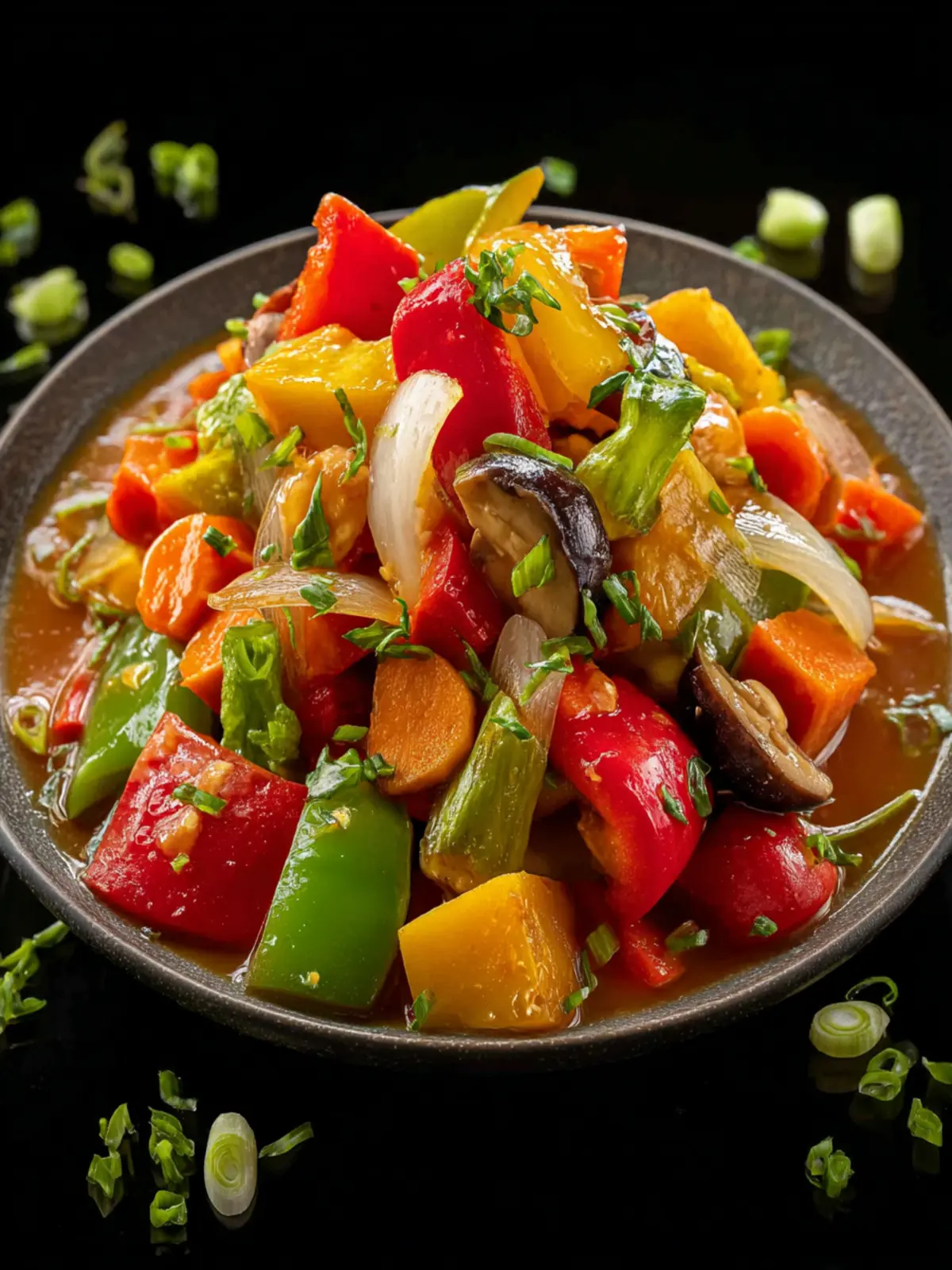
Sweet and Sour Vegetables: Easy Family Delight Recipe

Introduction to Sweet and Sour Vegetables
Sweet and sour vegetables are a delightful fusion of tastes and textures that can turn any meal into a culinary adventure. Imagine a bright medley of colors—vibrant peppers, crisp broccoli, and tender carrots—all dancing together in a tangy sauce that tickles your taste buds. As a busy professional, finding ways to incorporate more vegetables into your meals can sometimes feel overwhelming, but sweet and sour vegetables effortlessly blend nutrition with flavor, making them a go-to choice for anyone looking to eat healthier without sacrificing taste.
What makes Sweet and Sour Vegetables so appealing?
The allure of sweet and sour vegetables lies in their versatile nature. Whether served as a main dish or a side, they charm with their balance of flavors. Here are a few reasons why they are so loved:
-
Flavor Explosion: The juxtaposition of sweetness and acidity creates a tantalizing flavor profile. Zesty vinegar and sugar combine to produce a sauce that delights the palate, making ordinary vegetables exciting and irresistible.
-
Visual Feast: These dishes are as pleasing to the eye as they are to the taste buds. The explosion of colors from the different vegetables not only brightens your plate but also makes for an Instagram-worthy meal.
-
Quick and Easy: For busy professionals, time is of the essence. This recipe requires minimal prep time and can be pulled together in under 30 minutes, allowing you to enjoy a home-cooked meal even on the busiest nights.
-
Customizable: You can easily adapt sweet and sour vegetables to fit your preferences or what you have on hand. Want to add some pineapple for extra sweetness? Go for it! Prefer a touch of heat? A sprinkle of chili flakes can do the trick. This flexibility makes it a great recipe to experiment with.
-
Health Benefits: Packed with nutritious vegetables, this dish offers a wealth of vitamins and minerals. It’s a fantastic way to increase your vegetable intake while enjoying a guilt-free indulgence.
Incorporating sweet and sour vegetables into your meal repertoire not only elevates your culinary skills but also enriches your dining experience with bold flavors and vibrant colors. Ready to whip up this delightful dish? Let’s dive into the ingredients that will help you create your own sweet and sour masterpiece.

Key Ingredients for Sweet and Sour Vegetables
Creating sweet and sour vegetables is not just about tossing ingredients together; it’s about crafting a delightful medley that dances on your palate. Each ingredient plays a key role in bringing harmony to this vibrant dish.
Assorted Fresh Vegetables: The backbone of your sweet and sour medley! Bell peppers, carrots, and zucchini add both crunch and color. Choose vibrant options to make the dish visually appealing and nutrient-rich.
Pineapple: This is the secret to that irresistible sweet flavor. Fresh pineapple brings a bright and juicy component that perfectly balances the savory aspects of the vegetables. If fresh pineapple isn’t available, canned pineapple chunks in juice will work just fine.
Vinegar: A splash of rice vinegar or apple cider vinegar introduces the necessary tang, which, combined with sweet components, builds that quintessential sweet and sour profile.
Soy Sauce: This adds depth and umami to the dish. Look for low-sodium soy sauce to keep the flavors balanced without overwhelming your palate.
Brown Sugar: Just a bit of brown sugar provides that luscious sweetness. It caramelizes beautifully during cooking, enriching the dish’s overall flavor.
With these thoughtfully chosen ingredients, you’re well on your way to creating a plate of sweet and sour vegetables that everyone will rave about!
Why You’ll Love This Recipe
Creating sweet and sour vegetables at home means bringing a burst of vibrant flavors straight to your plate. Imagine a busy weeknight when you crave something light yet satisfying. This dish not only satisfies your taste buds but also makes you feel accomplished as you whip it up in no time.
-
Fresh and Colorful Ingredients: The beauty of this recipe lies in its use of fresh vegetables. Think bright bell peppers, crisp carrots, and lively broccoli—each bite is a celebration of color and health that lifts your spirits.
-
Quick and Easy: With straightforward instructions, this recipe is perfect for those hectic evenings when you need a meal that comes together effortlessly. Whether you’re just learning to cook or are seasoned in the kitchen, you’ll appreciate the simplicity of diving into this delicious dish.
-
Customizable Flavor Profiles: One of the things I love most about sweet and sour vegetables is that it easily adapts to your preferences. Want more sweetness? Just adjust the sugar. Craving a kick? Play with some chili flakes. The culinary world is your oyster!
By the end of the meal, you’ll not only feel good about what you’ve made but also about the delicious, wholesome nutrients you’ve added to your diet. Get ready to enjoy a plate that nourishes and delights!
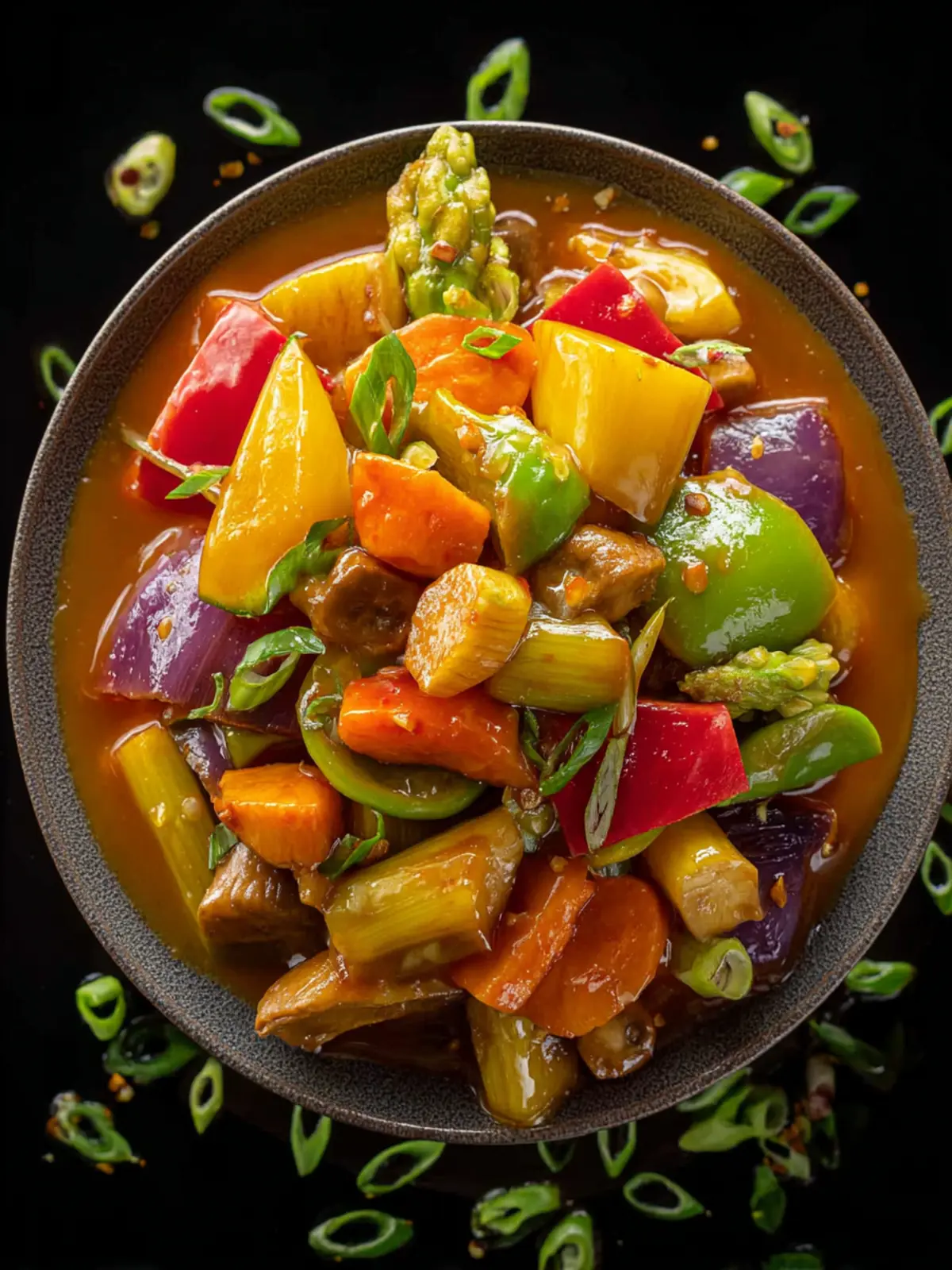
Variations of Sweet and Sour Vegetables
When exploring the world of sweet and sour vegetables, you are opening the door to a rainbow of flavors and colors that can brighten any meal. The beauty of this dish lies in its versatility, allowing you to mix and match based on what’s available or what you’re in the mood for. Here are some delightful variations to consider:
Classic Veggie Combination
- Bell Peppers: Red and yellow bell peppers add not only sweetness but a vibrant pop of color. They’re crunchy and complement the tangy sauce beautifully.
- Carrots: Sliced carrots bring a bit of crunch and lend a subtle earthiness to the dish.
Fruity Twists
- Pineapple Chunks: Adding fresh or canned pineapple can elevate the sweetness and provide a juicy contrast to the other vegetables. The tangy pineapple works exceptionally well in the sauce.
- Mango Slices: If you want to try something different, cubed mango can add a tropical flair that pairs wonderfully with the tangy sauce.
Hearty Additions
- Snow Peas or Snap Peas: These add a delightful crunch and are especially great for contrasting textures while maintaining that fresh taste.
- Zucchini: Sliced zucchini soaks up the sweet and sour sauce, making it a flavorful option that also increases your veggie intake.
Experimenting with these variations of sweet and sour vegetables not only makes mealtime exciting but also allows you to cater to your personal taste preferences. What combinations will you try next?
Cooking Tips and Notes for Sweet and Sour Vegetables
Transforming ordinary vegetables into sweet and sour vegetables can be an exciting culinary adventure. It’s all about balancing flavors and textures, and with a few handy tips, you can elevate your dish to the next level.
Choose Fresh Produce
Using fresh vegetables is key for achieving that vibrant flavor and crunch. Think bell peppers, snap peas, and pineapple. If you can, buy organic to enhance the sweetness without added pesticides.
Master the Sauce
The sweet and sour sauce is the heart of this dish. Aim for a pleasant balance between sugar and vinegar. If you prefer less sweetness, gradually increase the vinegar until you find your sweet spot. Adding a hint of ginger or garlic can also deepen the flavor profile.
Cook with Care
When stir-frying, high heat is your friend. Quickly toss the vegetables in a hot pan to preserve their color and crispness. You want them tender yet crunchy—avoid overcooking!
Experiment with Textures
Include a mix of soft and crunchy vegetables in your recipe. Think carrots against softer zucchini or bamboo shoots; this variety makes each bite more interesting.
Preparing sweet and sour vegetables doesn’t have to be complicated. With these tips, you’ll create a dish that’s not just tasty but also beautifully textured and visually appealing. Happy cooking!
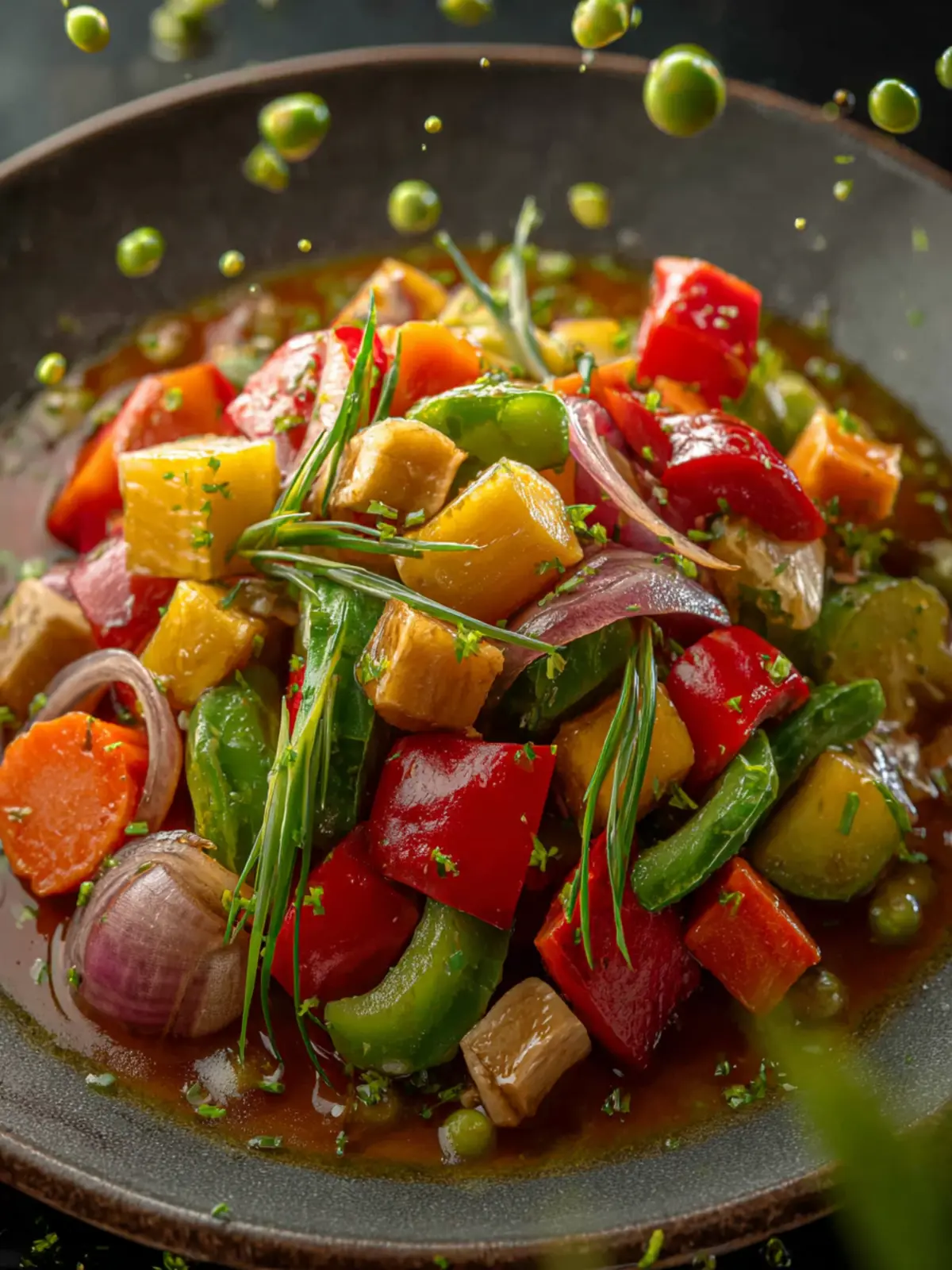
Serving Suggestions for Sweet and Sour Vegetables
Pairing sweet and sour vegetables with the right dishes can elevate your meal into something truly memorable. Whether you’re hosting friends or treating yourself, here are some delightful ways to serve this vibrant dish.
Serve Over Rice or Quinoa
One of my favorite methods to enjoy sweet and sour vegetables is over a fluffy bed of jasmine rice or nutty quinoa. The grains absorb the tangy sauce beautifully, enhancing every bite. For a healthy twist, you might consider cauliflower rice—it’s light and makes each forkful feel fresh!
As a Side Dish
These colorful veggies stand out perfectly on any table as a side dish. They pair wonderfully with grilled chicken, pan-seared salmon, or tofu, adding a bright burst of flavors that contrasts rich proteins. Don’t be surprised if your guests keep returning for seconds!
Wrap It Up
Feeling creative? Use your sweet and sour vegetables as a filling for wraps or lettuce cups. Just add some protein, like shrimp or chickpeas, along with a sprinkle of sesame seeds for crunch. It’s a fun, hands-on way to enjoy this dish that always impresses!
Garnishing
Don’t overlook the power of garnishing. A sprinkle of fresh cilantro or chopped green onions can bring freshness to your plate, while toasted sesame seeds add a delightful texture. They’re simple touches that can make your dish visually appealing and even more delicious.
Ideal for Meal Prep
If you’re like me and enjoy preparing meals in advance, sweet and sour vegetables are perfect for meal prep. They store well in the fridge and taste fantastic reheated, making your busy weekdays a little more flavorful. Simply pack them in containers with your choice of side, and you’re ready to go!
With these serving suggestions, your sweet and sour vegetables will shine in both taste and presentation, making mealtime a delightful experience!
Time Breakdown for Preparing Sweet and Sour Vegetables
Bringing together vibrant colors and diverse flavors, the journey of preparing sweet and sour vegetables is both delightful and rewarding. Timing is everything when it comes to pulling off this dish perfectly, and understanding the breakdown will help you efficiently navigate your kitchen adventure.
Preparation Time
Set aside approximately 15 minutes for this step. You’ll want to wash, chop, and measure your vegetables—such as bell peppers, onions, and carrots—ensuring everything is ready for that beautiful stir fry.
Cooking Time
The actual cooking takes about 10 to 15 minutes. This is where the magic happens! Sauté those veggies and glaze them with your sweet and sour sauce for a tantalizing finish.
Total Time
In total, you’ll be looking at around 25 to 30 minutes from start to finish. With this timeline in mind, you’ll serve up a dish that not only looks stunning but tastes amazing, perfect for any occasion. Happy cooking!
Nutritional Facts for Sweet and Sour Vegetables
In the heart of every kitchen, sweet and sour vegetables bring together the zest of life with their vibrant flavors and delightful crunch. Understanding their nutritional composition can help you appreciate these colorful dishes even more, especially when you’re looking to enhance your meal prep game.
Calories
A serving of sweet and sour vegetables is typically around 150 calories. This makes them a fantastic choice whether you’re trying to maintain a healthy diet or simply enjoy a delicious side dish.
Protein
Surprisingly, in a dish packed with various veggies, you’ll find about 3 grams of protein per serving. While not a primary protein source, they can contribute to your overall daily intake when paired with other protein-rich foods.
Sodium
The sodium content often varies based on the preparation method. Typically, you can expect around 300 mg per serving, especially if you include soy sauce. Opting for low-sodium options can be a smart way to keep your sodium levels in check while still enjoying the bold flavors!
FAQ About Sweet and Sour Vegetables
When preparing sweet and sour vegetables, questions often arise about making this dish uniquely yours. Let’s dive into some common inquiries to help you create your ideal version.
Can I add or substitute other vegetables?
Absolutely! Sweet and sour vegetables are versatile. You can add various vegetables, depending on your preference or what you have on hand. Consider using:
- Bell peppers: They add a lovely crunch and sweetness.
- Snap peas: They provide a fresh bite and vibrant color.
- Carrots: Their natural sweetness enhances the dish’s flavor profile.
- Broccoli or cauliflower: These provide heartiness and absorb the sauce beautifully.
Feel free to mix and match any of your favorites!
What can I use in place of tofu?
If tofu isn’t your thing or you prefer a different protein option, consider the following substitutes for your sweet and sour vegetables:
- Chickpeas: They’re hearty and fill out the dish nicely, plus they soak up flavors well.
- Tempeh: This is a great alternative if you want something similarly textured, with a nutty flavor.
- Seitan: For those who enjoy gluten, this texture can mimic meat and adds protein.
- Grilled chicken or shrimp: If not going for plant-based, these proteins complement the dish’s taste perfectly.
Is it possible to make this dish vegan-friendly?
Certainly! The base of sweet and sour vegetables is already quite vegan-friendly as it mainly contains vegetables and sauce. Just ensure any sauces you use (like soy sauce or sweet chili sauce) are vegan. If using protein, opt for tofu, chickpeas, or tempeh, and you’re all set! Enjoying a delicious, colorful, and vegan dish is easy with a little creativity in the kitchen.
Conclusion on Sweet and Sour Vegetables
In wrapping up our delightful journey with sweet and sour vegetables, it’s clear that this dish not only tantalizes your taste buds but also brings a vibrant array of colors to your table. The balance of flavors—from the tartness of vinegar to the sweetness of sugar—creates a unique harmony that appeals to everyone, making it perfect for gatherings and meal prep alike.
Don’t hesitate to experiment with various vegetables to find your personal favorite blend. This versatility is what makes sweet and sour vegetables an enduring classic in many cuisines. So, grab your ingredients, whip up this dish, and enjoy the bright, refreshing flavors that will surely elevate any meal!
Print
Vegetable and Tofu Stir-Fry
- Total Time: 25 minutes
- Yield: 4 servings 1x
- Diet: Vegetarian
Description
A delicious and colorful stir-fry featuring an array of vegetables and tofu, perfect for a quick meal.
Ingredients
Scale
- 2 tbsp Vegetable oil
- 1 tbsp Sesame oil
- 2 tbsp Garlic (chopped)
- 1 tbsp Ginger (finely chopped)
- 2 Red capsicum (cut into cubes)
- 2 Yellow capsicum (cut into cubes)
- 1 Green capsicum (cut into cubes)
- 200 g Mushroom (sliced)
- 1 cup Carrot (sliced)
- 200 g Tofu (cut into cubes)
- 1 tbsp Soy sauce
- 2 tbsp Red chilli sauce
- 2 tbsp Vinegar
- 1 tbsp Lemon juice
- 2 tbsp Brown sugar
- 1 tbsp Red chilli paste
- 1 tsp MSG (optional)
- Salt to taste
- 1/2 tsp White pepper powder
- 2 tbsp Cornflour
- Green onions for garnishing
Instructions
- Heat vegetable oil and sesame oil in a wok.
- When the oil is very hot, add ginger and garlic and fry for a few seconds.
- Add the chopped vegetables and sauté for a few minutes on high heat.
- Add tofu and fry for a minute.
- Now add 2 cups of water in the wok.
- Add soy sauce, red chilli sauce, vinegar, lemon juice, brown sugar, red chilli paste, MSG, salt and white pepper powder and let the mixture come to a boil.
- Mix cornflour with a little water and add it in the wok.
- Cook till the sauce thickens.
- Garnish with spring onion greens.
- Serve hot.
Notes
- This dish can be served with rice or noodles for a complete meal.
- You can adjust the spiciness by modifying the amount of red chilli sauce and paste.
- Feel free to add other vegetables like broccoli or snap peas as desired.
- Prep Time: 10 minutes
- Cook Time: 15 minutes
- Category: Main Course
- Method: Stir-Frying
- Cuisine: Asian
Nutrition
- Serving Size: 1 cup
- Calories: 250
- Sugar: 5 g
- Sodium: 600 mg
- Fat: 15 g
- Saturated Fat: 2 g
- Unsaturated Fat: 10 g
- Trans Fat: 0 g
- Carbohydrates: 18 g
- Fiber: 4 g
- Protein: 10 g
- Cholesterol: 0 mg